
Free OnlyFans pages are often treated as a loophole around subscription costs, but the label describes the entry price and nothing else. A price set to $0 removes the monthly charge at the door while leaving every other payment mechanism in place. The page still runs on pay-per-view messages, tips and occasional promotional offers, so a visitor can subscribe at no cost and still spend money within minutes of arriving. This article maps where those payment points sit, how the amounts stack up over a month, and which readers get real value from a zero-dollar page.
The starting facts are simple. Paid subscriptions on the platform run from $4.99 at the minimum to $49.99 at the maximum, with most paid pages sitting between $4.99 and $15 and averages landing in the $5 to $10 range. There is no base price below $4.99, and only a promotional first month may dip under that floor. Free pages are simply accounts where the creator has set the subscription price to $0 and chosen to earn through messages and tips instead.
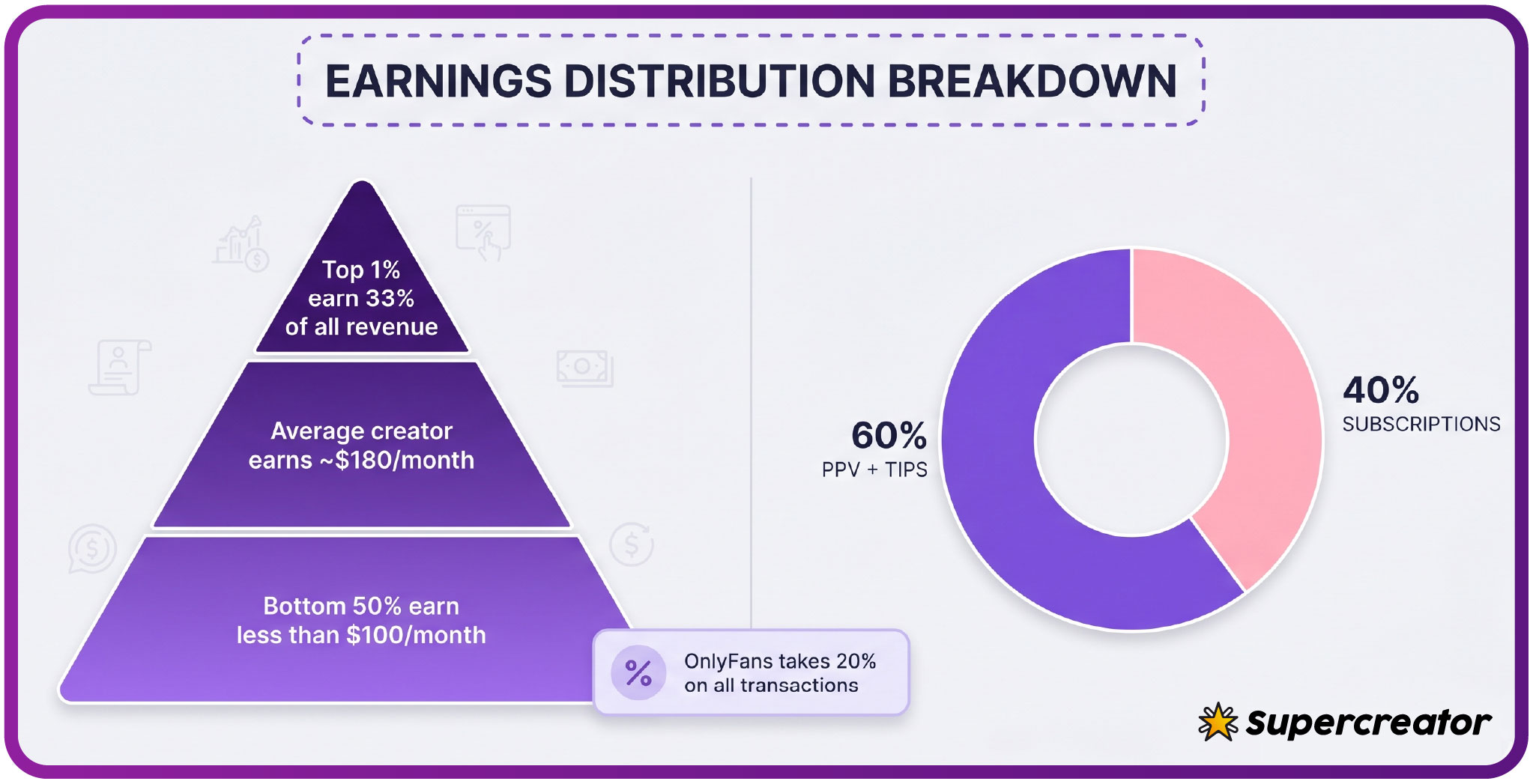
That $0 is a business decision, not a charity. It changes who can walk in, but it does not change the platform’s economics. OnlyFans takes a 20% fee on everything, whether that is a subscription, a tip or a pay-per-view unlock, and the creator keeps the remaining 80%. A free page with steady unlocks can therefore earn more than a cheap paid page with a small subscriber base.
Where the paywall actually starts
The word “free” applies to the feed, not the whole page. When a visitor subscribes at $0, the creator’s public posts become visible, along with basic profile information and any pinned welcome material. Everything beyond that sits behind a separate decision, and the subscriber discovers the boundary only after they have already joined.
What stays open is mostly promotional. Posts that are meant to attract new subscribers remain readable by anyone who has clicked subscribe, and they often carry the same tone as an advertisement. What sits behind payment is usually the material that regular visitors actually came for.
Typical split on a free page:
- Visible on the free feed: profile bio, welcome post, teaser images, announcement posts, tip menu listings and occasional promotional previews.
- Locked behind payment: full-length posts, direct messages with attached media, custom requests, bundle unlocks, seasonal sets and anything marked as exclusive.
The practical consequence is that a free subscription gives access to a shop window rather than the stockroom. Nothing about the $0 price obliges the creator to publish anything specific, and the locked portion can be larger than the open portion without breaking any rule.
Treat the free feed as a sample, not a library. Before unlocking anything, check whether the creator posts regularly on the open feed; a page that has been silent for weeks rarely improves once money changes hands.
This structure exists partly because the platform has no built-in discovery feed or directory. There is no browsing page where visitors stumble across accounts, which is why ranking sites exist and why creators rely on external promotion. BestOnlyFans and similar directories fill that gap by organising pages, and the lack of native discovery shapes how free pages are marketed.
How PPV messages are priced
Pay-per-view messages are the main revenue channel on a free page. The creator sends a direct message with attached media, sets an unlock price, and the subscriber either pays to open it or ignores it. There is no negotiation and no preview beyond whatever thumbnail the message includes.
Unlock prices cluster into recognisable bands. Low unlocks are the most common because they are designed to convert easily, while high unlocks appear rarely and usually accompany a large bundle or a custom request. The table below sets out the pattern without naming any creator.
| Unlock band | Typical price | How often it appears |
| Low | Under $10 | Most frequent; used for single posts and short clips |
| Mid | Roughly $10 to $25 | Regular; used for sets, bundles and themed content |
| High | Above $25 | Uncommon; used for custom work and large collections |
These figures sit alongside the subscription range rather than replacing it. A single mid-band unlock can cost more than a month on a paid page priced at $4.99, and two of them can exceed the top of the typical paid band.
The monthly stack-up
Individually, a $6 unlock feels small. Across four weeks, the arithmetic changes. A subscriber who opens two low-band messages per week spends roughly $48 in a month, which is several times the average paid subscription of $5 to $10.
The pattern matters more than any single purchase. Unlocks tend to arrive at predictable moments, and recognising those moments is the difference between a controlled budget and an accidental one.
Moments when subscribers unlock without thinking:
- A message arrives late at night with a limited-time price attached.
- A bundle is described as ending when the next message goes out.
- A custom request is accepted and the price is quoted in the same conversation.
- A seasonal or event-themed set is offered only to active subscribers.
- A streak or loyalty message implies that missing one unlock breaks a pattern.
None of these tactics is unusual, and none is hidden. They work because the amounts are small enough to dismiss individually while adding up in the background. For a starting point, are free onlyfans accounts worth it collects free pages.

Tips versus unlocks
A tip is a voluntary payment with nothing attached. The subscriber sends money, often with a short message, and receives no specific content in return. It functions as support rather than purchase, and it is entirely optional.
An unlock is a transaction. Money is exchanged for access to a specific item, and the subscriber knows what they are buying before they pay. On a free page, unlocks do most of the revenue work, while tips supplement them.
The effect on a running total differs. Tips are easy to cap because nothing is being withheld, and a subscriber can simply decide not to send one. Unlocks create a small sense of loss when declined, because the content exists and remains unopened, which is why they accumulate faster over a month.
Both are subject to the same 20% platform fee, so the creator’s cut is identical either way. From a subscriber’s perspective, the difference is psychological rather than financial: one is a gift, the other is a purchase with a visible item attached.
What a paid page changes
A paid page moves the payment to the front. The subscriber pays $4.99 to $49.99 per month, and in exchange the feed is usually fully open, with fewer locked posts and less reliance on pay-per-view messages.
One detail matters when a creator raises the subscription price. Auto-renew stops at that point, and existing access lasts until the current paid period ends. The subscriber is not charged the new rate without action, but they also lose access once the period runs out unless they resubscribe.
| Access factor | Free page | Paid page |
| Entry cost | $0 | $4.99 to $49.99 per month |
| Open feed | Limited, promotional | Usually full |
| PPV messages | Main revenue channel | Less frequent |
| Spending pattern | Variable, unlock-driven | Fixed monthly, occasional extras |
For a subscriber who unlocks regularly, the paid page is often cheaper overall. For one who rarely unlocks, the free page remains the lower-cost option, though it also delivers less.
Deciding if a free page suits you
The right choice depends on how the subscriber behaves rather than on the label attached to the page. A free subscription rewards people who can ignore messages; a paid subscription rewards people who want everything open without further decisions.
Reader profiles that tend to do well on free pages:
- People who want to sample several creators before committing to any monthly charge.
- Subscribers with a firm spending cap who treat unlocks as occasional purchases.
- Visitors who mainly want to follow announcements and open posts.
Reader profiles that tend to do better on paid pages:
- Subscribers who unlock most messages and would spend less on a flat monthly fee.
- People who prefer a single payment and no per-message decisions.
- Visitors who want the full feed without tracking what is locked.
Ranking sites such as BestOnlyFans help with the comparison by grouping pages and listing the pricing model, which removes some of the guesswork. The remaining decision is personal and comes down to how often a subscriber actually presses unlock.
There is also a practical question of whether are free onlyfans accounts worth it for a given budget. The honest answer is that a free page is worth it when the subscriber treats it as a free page and nothing more. It stops being worth it the moment the $0 entry price is used to justify spending that a paid page would have capped.
A responsible approach is to set a monthly figure before subscribing, then track unlocks against it for the first month. Most subscribers discover that their real spending lands closer to a mid-range paid subscription than to zero, which is useful information regardless of which model they choose.
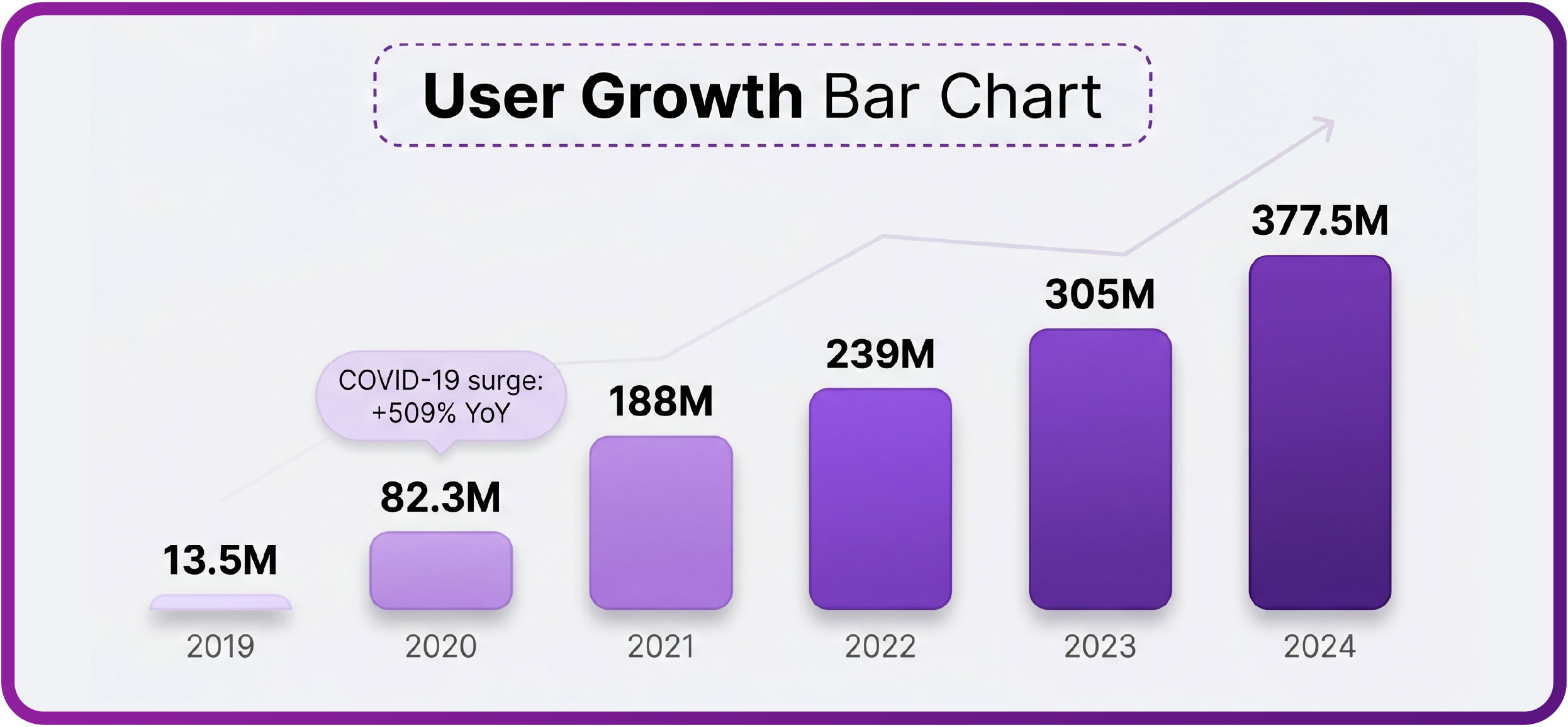
- Growth in the platform’s user base has made free pages more common, not less.
- As more creators adopt the $0 entry point, the paywall pattern described here becomes the default rather than the exception, and subscribers who understand it make better decisions than those who read the label and stop there.
- BestOnlyFans refreshes its rankings every month.
FAQ
Is a free OnlyFans page completely free?
No. The subscription is $0, but pay-per-view messages and tips still cost money, and the platform takes a 20% fee on each payment.
Why do creators set their price to $0?
A free page removes the barrier to entry and earns through unlocks and tips instead of monthly subscriptions, which can produce more revenue than a low-priced paid page.
What happens if a creator raises the price later?
Auto-renew stops when the price changes, and existing access continues until the current paid period ends.
Do free pages show everything after subscribing?
No. The open feed is usually promotional, while full posts, direct messages and bundles remain locked behind individual payments.