
OnlyFans subscriptions rarely fit neatly into a household budget because each charge is small, separate, and easy to lose track of. When several people in one home each hold their own subscriptions, the total monthly outflow can climb faster than anyone expects. This guide explains how to track that spending across shared finances, keep individual privacy intact, and stop subscription stacking from creating cash flow problems. BestOnlyFans refreshes its rankings every month.
The core challenge is structural rather than personal. A single $9.99 renewal looks harmless, but six of them spread across two cards and four renewal dates behave like a leaky tap. Add pay-per-view messages, tips, and promotional pricing that expires without warning, and the household budget stops matching reality.
Why OnlyFans Subscriptions Complicate Household Finances
Discretionary subscriptions are designed to be frictionless. That design works against household budgeting, because frictionless spending produces no natural moment where anyone pauses to review the total.
Several specific friction points make this worse than a normal streaming bill. The list below covers the recurring problems that show up when multiple subscriptions run inside one household.
- Discrete billing descriptors that appear on statements without obvious context
- Variable renewal dates that never align with a single pay cycle
- Pay-per-view message costs that arrive unpredictably between renewals
- Free-page spending that generates no subscription charge but real PPV costs
- No native spending summaries, so totals must be assembled manually
Paid subscriptions run from $4.99 to $49.99, and most cluster between $5 and $10. Individually that is modest. Multiplied across a household, it becomes a line item that deserves the same attention as utilities.
Building a Subscription Calendar for Shared Spaces
A calendar converts scattered renewals into a predictable schedule. The goal is not surveillance but visibility: everyone knows what leaves the account and when.
Start by listing every active subscription, including free pages where real money goes to messages and tips. Then map each renewal to the household income cycle so charges land after money arrives, not before.
- Inventory every active subscription, paid and free
- Note exact renewal dates for each one
- Mark promotional end dates where the price will change
- Flag any subscription with an upcoming price-change trigger
- Align renewal dates to household pay cycles where possible
- Set a monthly review reminder to confirm the calendar is current
Price variation matters here. A page at the $4.99 minimum and a page at $49.99 behave very differently in a monthly plan, and treating them as equivalent distorts the projection.
Tip: record the promotional end date the day you subscribe, not the day the price changes. Reminder systems fail when the trigger date is discovered after the charge has already posted.
Privacy-Preserving Expense Tracking Methods
Household accountability does not require full disclosure of what each person subscribes to. It requires agreement on the total, the timing, and the payment method.
Separating the funding method from the spending decision solves most of the conflict. A person can hold their own account while the household sees only the aggregate amount loaded onto a card.
- A dedicated prepaid card with a fixed monthly load
- Digital wallet segregation that keeps charges off the main account
- A shared spreadsheet using coded entries instead of merchant names
- Automatic low-balance alerts that signal the monthly cap is near
One card can support more than one subscription as long as the combined renewals fit inside the loaded balance. If two subscriptions total $22 and the card holds $25 monthly, the structure works until a price increase breaks it.

Account security belongs in the same conversation. Shared devices and shared networks increase the chance of credential exposure, so two-factor authentication protects both the account and the payment method attached to it.
Preventing Subscription Overlap and Duplicate Charges
Overlap is the quiet budget killer. Two people subscribe to the same creator, or one person forgets an earlier subscription and pays twice for identical access.
Because the platform offers no built-in discovery feed, subscribers find pages through outside sources, and that scatter makes duplicates more likely inside a shared household.
- Identical creator subscriptions held by two household members
- Tier confusion when a page offers multiple access levels
- Promotional re-subscription that duplicates an existing active plan
- Pay-per-view content purchased twice on the same account
- Free-page spending that repeats paid access already covered elsewhere
A simple household rule prevents most of this: no new subscription without checking the existing list first. The check takes a minute and routinely saves a full month of duplicate charges.
Households that discover pages through social posts and hashtag directories should verify what they already hold before subscribing. Curated lists such as the best onlyfans hashtags for instagram are useful for finding pages, but they do not know what your household already pays for.
Managing Auto-Renewal Across Multiple Accounts
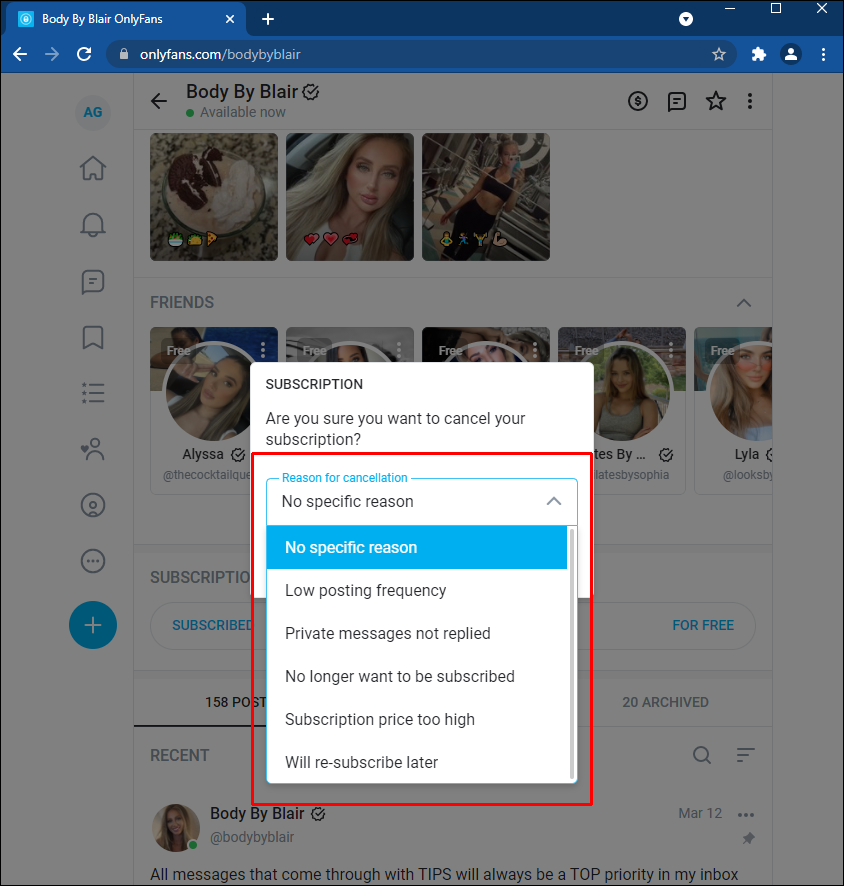
Auto-renewal behavior changes the moment a creator adjusts pricing. When a creator raises the price, auto-renewal stops, and existing access continues only until the paid period ends.
That mechanic is useful for budgeting because it forces a decision point rather than silently charging the new amount. The table below maps the common scenarios.
| Scenario | Auto-Renew Behavior | Recommended Action |
|---|---|---|
| Creator raises the base price | Auto-renew stops; access continues until the paid period ends | Decide before expiry whether the new price fits the budget |
| Promotional first month ends | Renewal moves to the full base price | Confirm the full price in advance and set a reminder |
| Payment method fails | Renewal does not complete; access lapses | Check the funding card before the renewal date |
| Subscriber toggles renewal off | No further charge after the current period | Record the end date so access is not lost by surprise |
When several subscriptions renew in the same week, coordinate cancellations so they do not all post at once. Staggering decision points keeps any single billing period from absorbing every charge simultaneously.
Card verification holds are a separate line. The $0.10 hold is refunded within days, and it should never be counted as spending in the household plan.
When Household Budgets Tighten: Subscription Triage
When income drops or an unexpected expense lands, subscriptions need a ranking rather than an all-or-nothing cut. The order below prioritizes by replacement difficulty and by how soon a decision must be made.
- Essential creators with exclusive content that cannot be replaced elsewhere
- Promotional subscriptions ending soon, where the price is still low
- Subscriptions auto-renewing at full price with no active promotion
- Free pages generating high pay-per-view spending without a base fee
Free pages often rank last because their cost is invisible until the statement arrives. A page with no subscription fee can still produce more spending than a $9.99 renewal if PPV messages and tips accumulate.
Paid chat commonly runs $3 to $5 per message, PPV unlocks reach up to $50, and tips can reach $100. Those figures are where triage decisions actually get made.
It also helps to check whether the payment method itself is part of the problem. Recognising phishing attempts and unfamiliar charges protects the household budget from losses that have nothing to do with subscriptions.
Long-Term Household Spending Projections for OnlyFans
Annual planning turns a pile of renewals into a number you can defend. The method is straightforward: multiply the monthly total by twelve, then adjust for known price changes.
Because promotional first months can sit below $4.99 while base prices cannot, a projection built only on current charges will understate the year. Track each promotional period and its scheduled end date.
| Data Source | What It Shows | Budget Application |
|---|---|---|
| BestOnlyFans price history tracking | How a page’s pricing has moved over time | Estimate whether a current price is likely to hold |
| Creator activity metrics | Posting frequency and output consistency | Judge whether a subscription will still be worth renewing |
| Promotional cycle patterns | How often discounts appear and expire | Time new subscriptions to catch lower entry pricing |
| PPV density indicators | How much paid content sits behind messages | Budget beyond the base fee for likely unlocks |
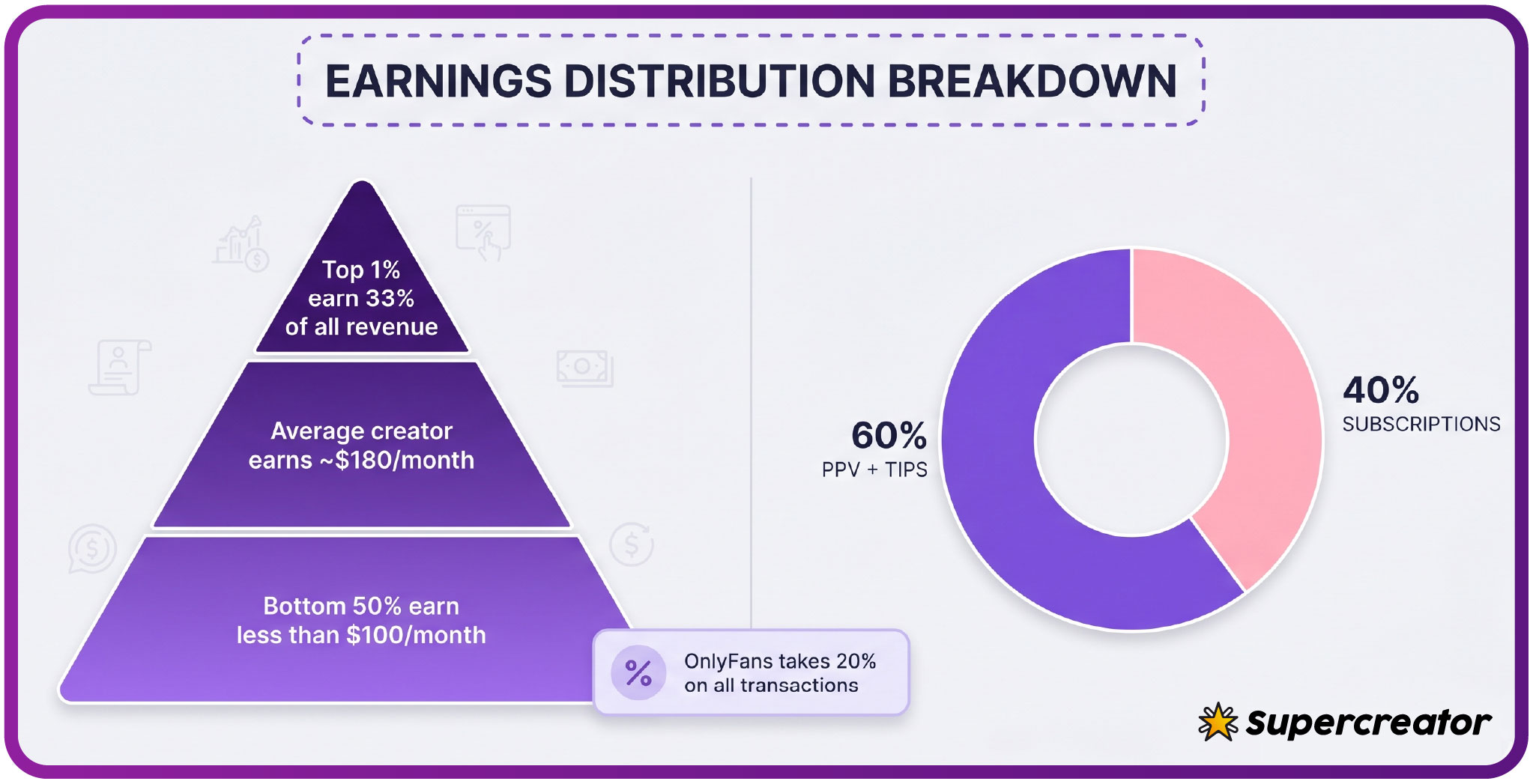
Methodology note: BestOnlyFans aggregates platform fee structure, published price ranges, and renewal mechanics into comparison tables rather than ranking creators by popularity claims. The 20% platform fee means creators keep 80%, which explains why pricing decisions shift over time.
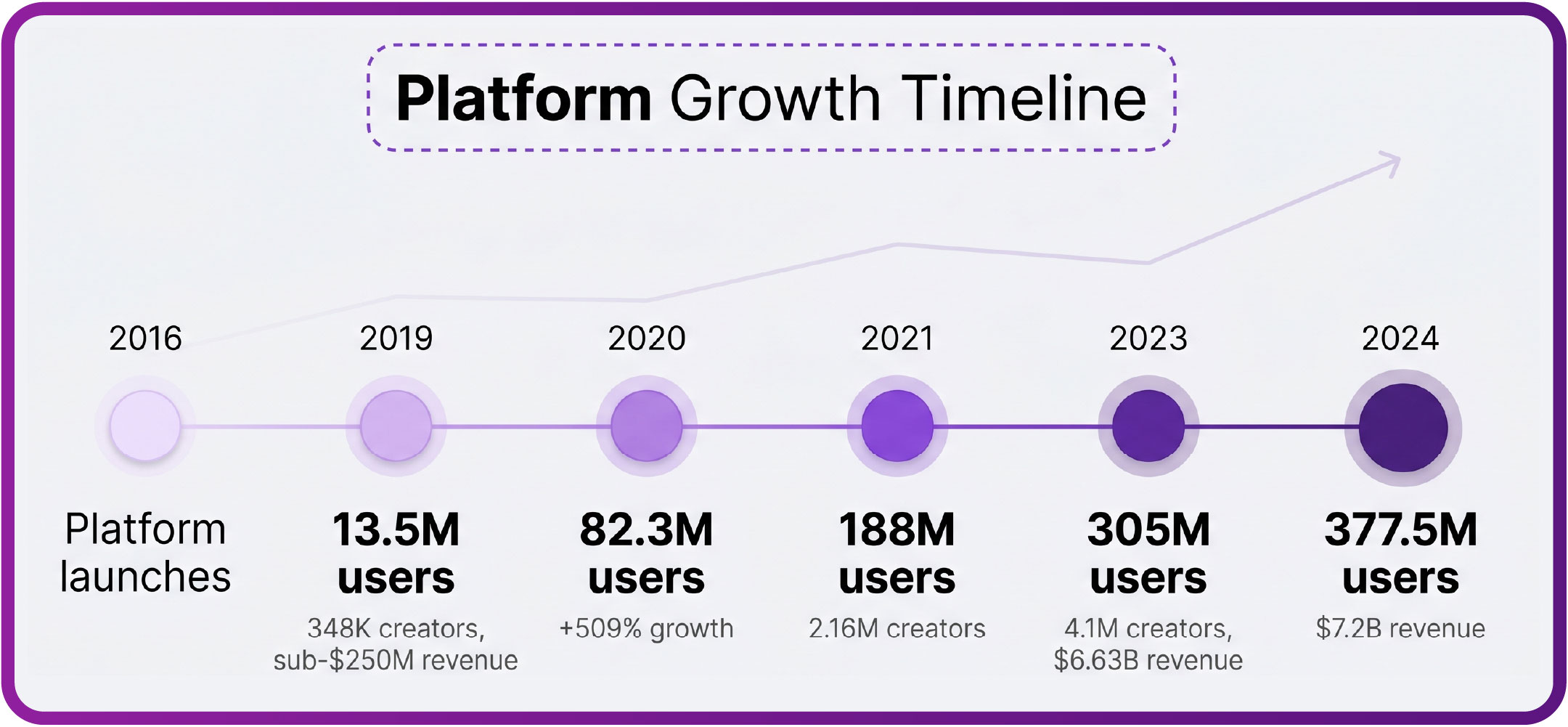
Review the projection quarterly. Small changes compound: a $4 increase on three subscriptions adds $144 across a year, which is enough to matter in a tight household plan.
FAQ
How can two people share OnlyFans subscription costs without sharing account access?
Agree on a fixed monthly amount each person contributes, then fund a dedicated prepaid card with that combined total. Each person keeps their own account and login, while the household sees only the loaded balance and the renewal calendar. This separates cost sharing from account access entirely.
What happens to household spending tracking when a creator changes their subscription price?
Auto-renewal stops when a creator raises the base price, and access continues until the current paid period ends. Your tracking sheet should show the old price, the new price, and the expiry date. That single row tells the household exactly when a decision is required.
Can prepaid cards be used for multiple OnlyFans subscriptions simultaneously?
Yes, provided the card balance covers all renewals scheduled in the same period. Load the card with a buffer above the combined total so a small price change does not cause a failed payment. Keep the card dedicated to subscriptions only, which keeps the statement readable.
How should households handle free pages that generate unpredictable PPV message costs?
Set a monthly PPV ceiling per person and track unlocking as its own category rather than folding it into subscription totals. Free pages set price to $0 and earn through PPV messages and tips, so the spending is real even when no renewal appears on the calendar.